
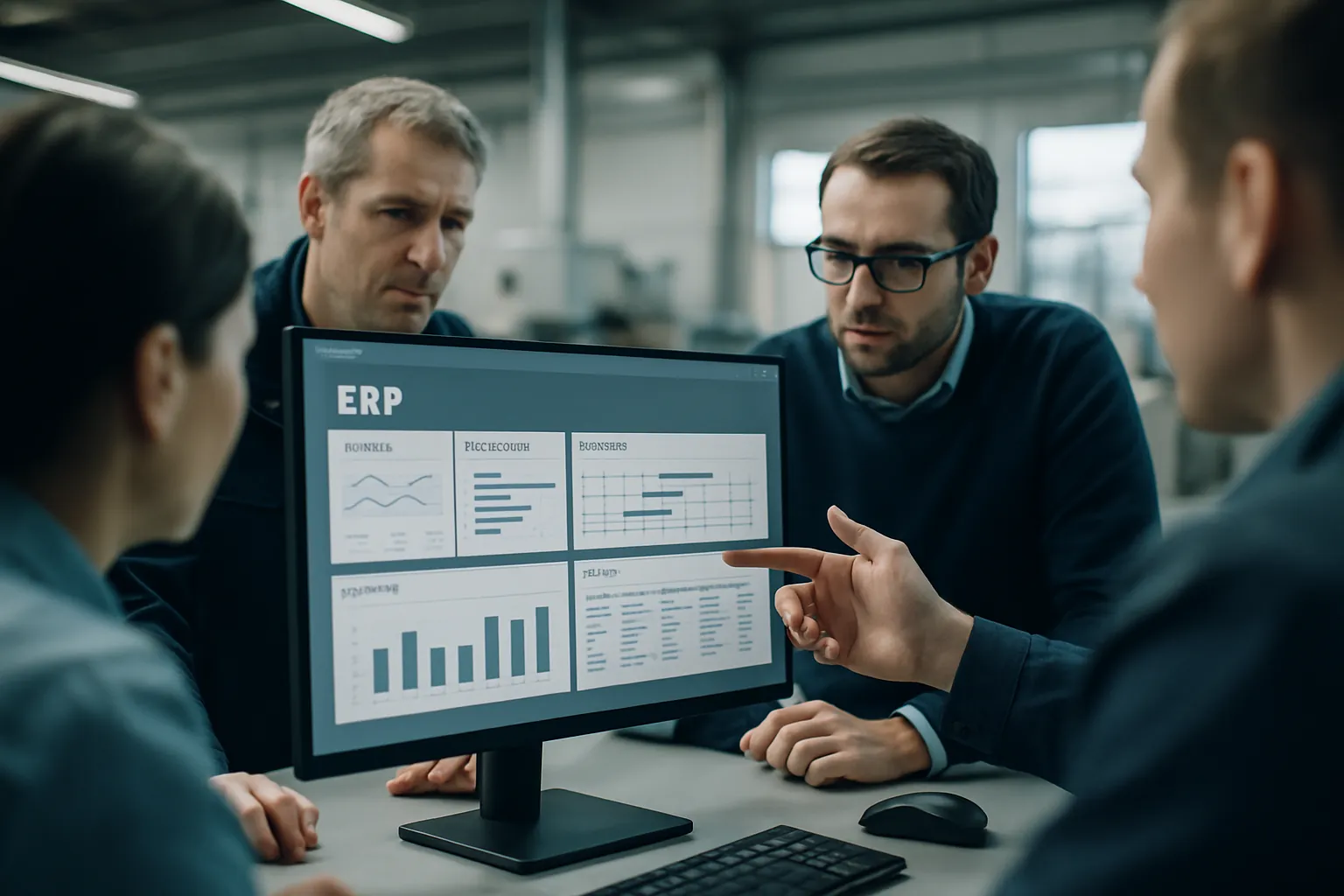
ERP stands for "Enterprise Resource Planning". ERP is a software system used to manage the flow of information between the different departments of a business, integrate business processes and use resources more effectively. This system brings together various functions of a business such as finance, accounting, human resources, production, sales, marketing and inventory management, allowing them to be managed as a whole.
Why Is ERP Important?
Integration and Efficiency: ERP systems organize and integrate the flow of information between different departments. This enables business processes to be managed more efficiently and quickly.
A Single Database: ERP consolidates all functions of a business in a single database. This increases data integrity and makes it possible to take decisions based on a single source of accurate information.
Cost Control: ERP systems help businesses manage their costs more effectively. They provide support in areas such as the integration and monitoring of financial processes, budget management and cost analysis.
Inventory Management and Supply Chain Improvements: By optimizing inventory management and supply chain processes, ERP helps the business reduce stock levels and forecast demand.
Human Resources Management: ERP organizes human resources processes. It provides integration in areas such as personnel information, payroll and leave management, and simplifies personnel management.
Customer Relationship Management (CRM): Some ERP systems include CRM features for managing customer relationships. This contributes to carrying out customer-focused processes more effectively.
Reporting and Analytics: ERP systems offer comprehensive reporting and analytics tools to measure and analyze business performance. This provides managers with more information in their decision-making processes.
Using an ERP system helps businesses gain a competitive advantage and take more strategic decisions.
For detailed information: ERP