
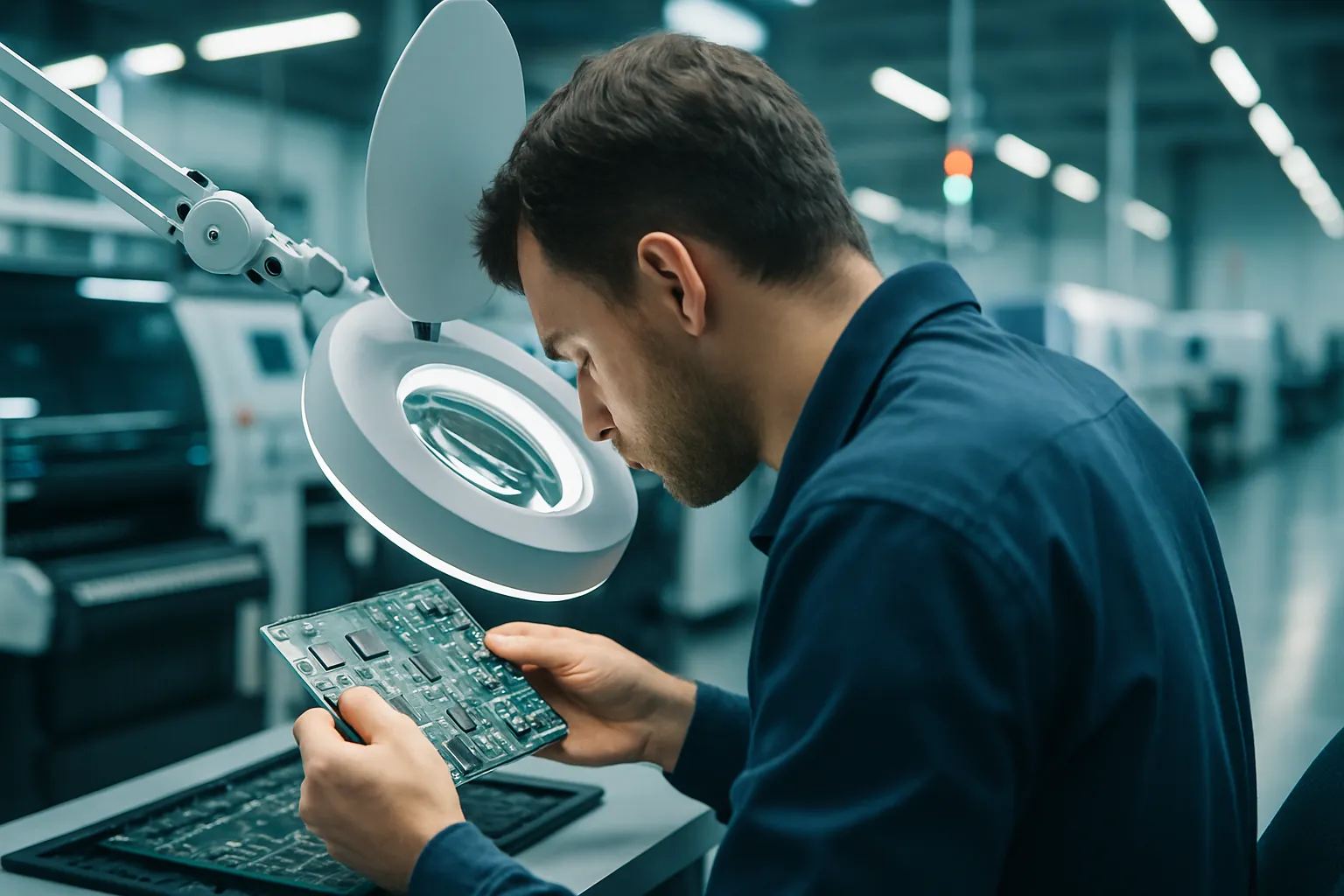
Digital transformation offers a major opportunity to develop innovative products, increase operational efficiency and gain a competitive advantage in the electronics industry. This sector must reshape its business models in line with rapidly changing technology and customer expectations. The electronics industry is a sector defined by innovative technologies and advanced production processes, where high value-added products and services are manufactured. While digital transformation offers significant advantages to companies operating in this field, it has also become a tool that strengthens the sector's competitiveness.
Innovation and Product Development through Digital Transformation
- New Products and Services: Technologies such as artificial intelligence (AI), big data analytics and the Internet of Things (IoT) provide innovative solutions in the electronics industry. For example, smart home systems or energy management solutions can be developed with IoT-based devices.
- Prototyping and Testing: Augmented reality (AR) and virtual reality (VR) accelerate product development processes and reduce costs during the design phase.
Operational Efficiency and Resource Management
- Automation: MES/MOM systems and robotic process automation (RPA) optimize production processes, lowering costs and minimizing errors.
- Data Analytics: Supply chain planning and capacity requirements planning, supported by data analytics, enable operational processes to be improved.
Supply Chain Management and Inventory Optimization
- Warehouse Management Systems (WMS) and ERP Integration: Material requirements planning (MRP) and the supply chain management system enable inventory levels to be optimized and logistics processes to be improved.
- Demand Forecasting: Sales and operations planning (S&OP) solutions make it possible to respond to customer demands on time.
Customer Experience and Personalization
- Personalization: AI-based analyses use customer data to deliver more personalized products and services.
- CRM Systems: Customer relationship management plays a critical role in increasing customer satisfaction and managing demands more effectively.
Flexibility and Adaptability
- Agile Business Models: Digital transformation makes it easier to adapt to rapidly changing market conditions in the electronics industry.
- Remote Work and Collaboration: Digital tools enable global teams to work more effectively and accelerate business processes.
Data Security and Compliance
- Cyber Security: Data security solutions support the protection of customer information and ensure compliance with legal requirements.
- Compliance Management: Digital transformation simplifies processes by automating compliance requirements in the electronics industry.
Sustainability and Competitive Advantage
- Resource Management: Smart sensors and data analytics optimize energy consumption and reduce environmental impact.
- Innovative Business Models: Digital transformation enables the development of new business models, giving companies a competitive advantage.
The Digital Future of the Electronics Industry
Digital transformation offers great opportunities to companies operating in the electronics industry through innovative solutions such as supply chain planning, production optimization, sales planning and demand planning software. Improving operational processes and meeting customer expectations are among the foremost advantages offered by digital transformation. To shape the future of the electronics industry, it is critically important for companies to embrace this transformation process and implement the appropriate technologies.
Contact us now to begin your digital transformation journey.